Picture this: you start your morning with pickleball or a quiet walk, run errands by golf cart, and finish the day with live music on a bustling town square. If you are considering a move to The Villages in Sumter County, that rhythm can be your new normal. You want a clear view of everyday life before you commit. In this guide, you will learn how people get around, what social life looks like, how healthcare and services work, and what to verify before you buy. Let’s dive in.
Community snapshot
The Villages is a large, master-planned, age-restricted community that spans parts of Sumter, Lake, and Marion counties. It caters to active retirees with golf, pools, recreation centers, and lively town squares. Most neighborhoods are 55+, and rules typically require at least one resident in a household to be 55 or older. Policies for younger household members and long-term stays vary by neighborhood, so always review deed restrictions for the specific home you are considering.
For a high-level overview of amenities and lifestyle, browse the community’s official pages. To learn about the broader area, review Sumter County demographics from the U.S. Census Bureau. Many residents are transplants from other states, and you will meet a mix of fully retired owners, part-time travelers, and residents who still do occasional work.
Getting around by golf cart
Golf carts are a daily driver inside The Villages. Many homes include cart garages or charging setups, and cart paths connect neighborhoods to town squares, pools, and recreation centers. You will find designated crossings and cart parking near popular spots. It is common to use a cart for groceries, pharmacy runs, club meetups, and evening entertainment.
Rules for carts are shaped by Florida law, county ordinances, and community policies. Check route permissions, night-driving lighting requirements, and driver rules with the Florida Department of Highway Safety and Motor Vehicles and local guidance on Sumter County ordinances. A car still helps for longer trips, airport runs, big-box shopping, or medical specialists outside the community.
Social life and town squares
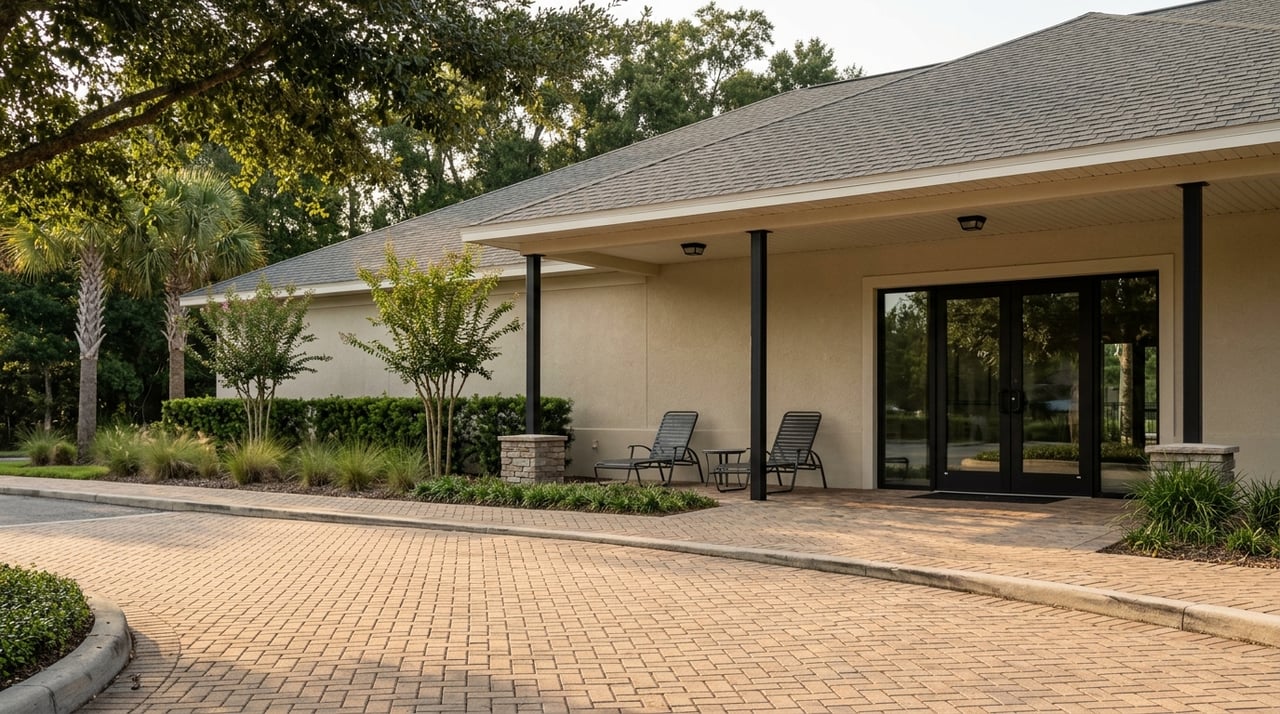
Social life is a core draw. You will find clubs for sports, arts and crafts, cards, photography, car enthusiasts, volunteer groups, and continuing education. Popular activities like golf, pickleball, bocce, and water aerobics often use reservation systems at recreation centers, and peak times can fill fast.
The Villages’ themed town squares are daily hubs with restaurants, retail, and frequent live entertainment. Expect evening energy, especially on weekends. To see what is happening year-round, start with the community’s official pages and local event listings. Volunteering is another strong avenue to meet people, with opportunities in hospitals, schools, and community programs.
Home choices, fees, and rules
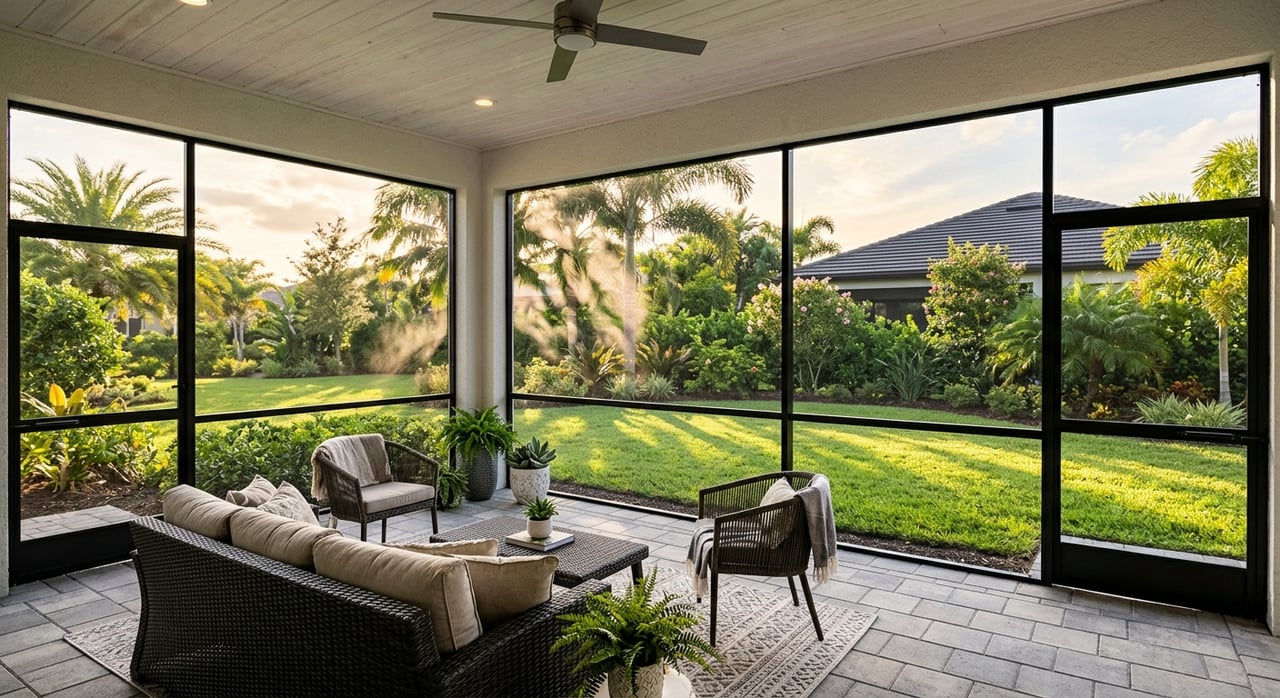
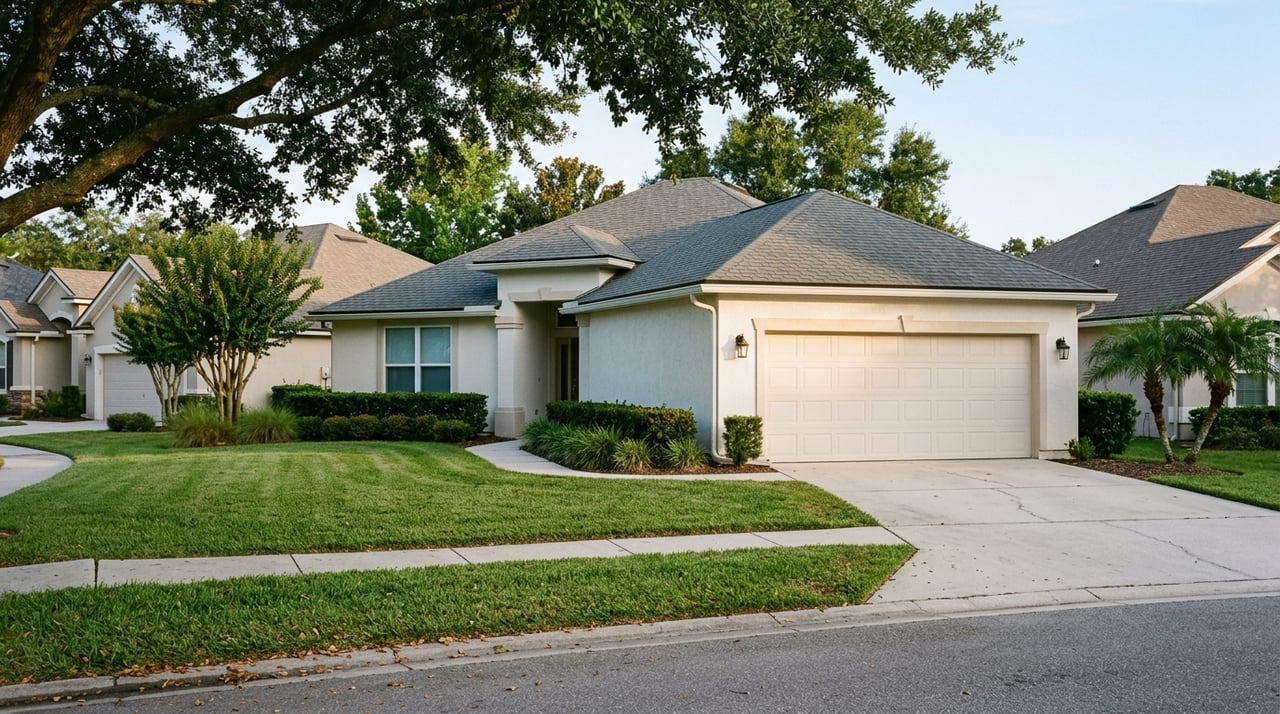
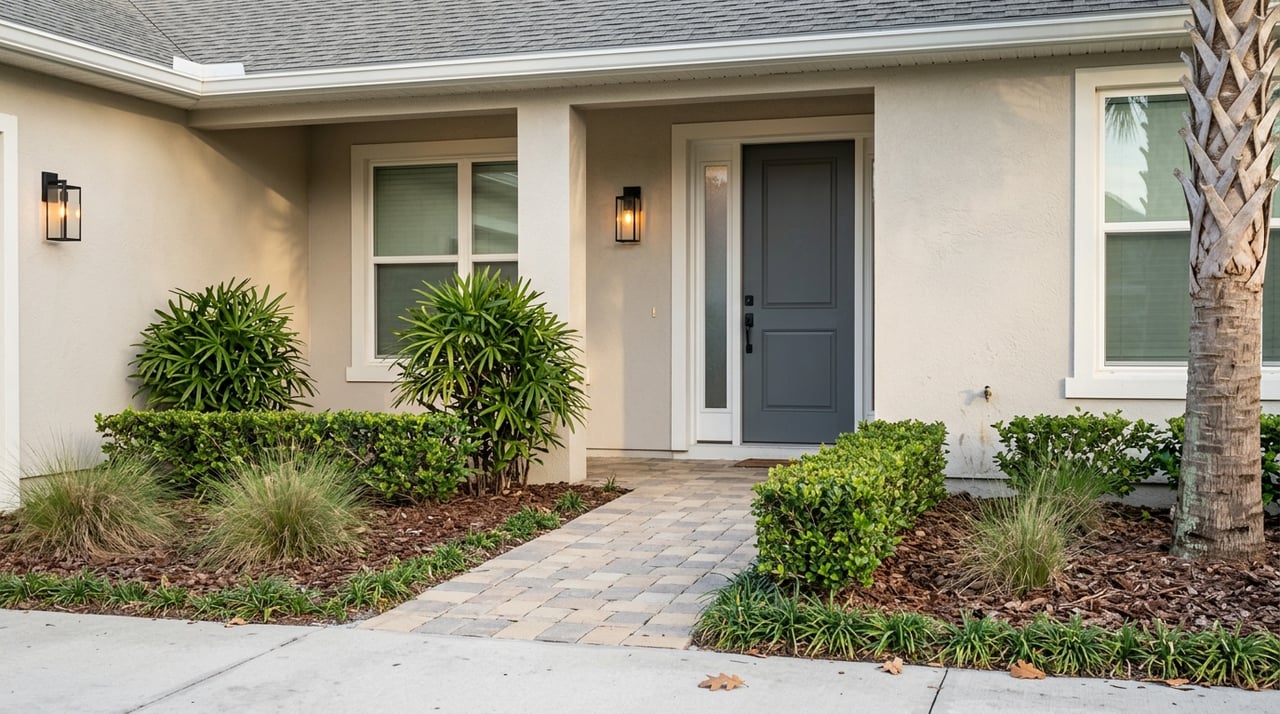
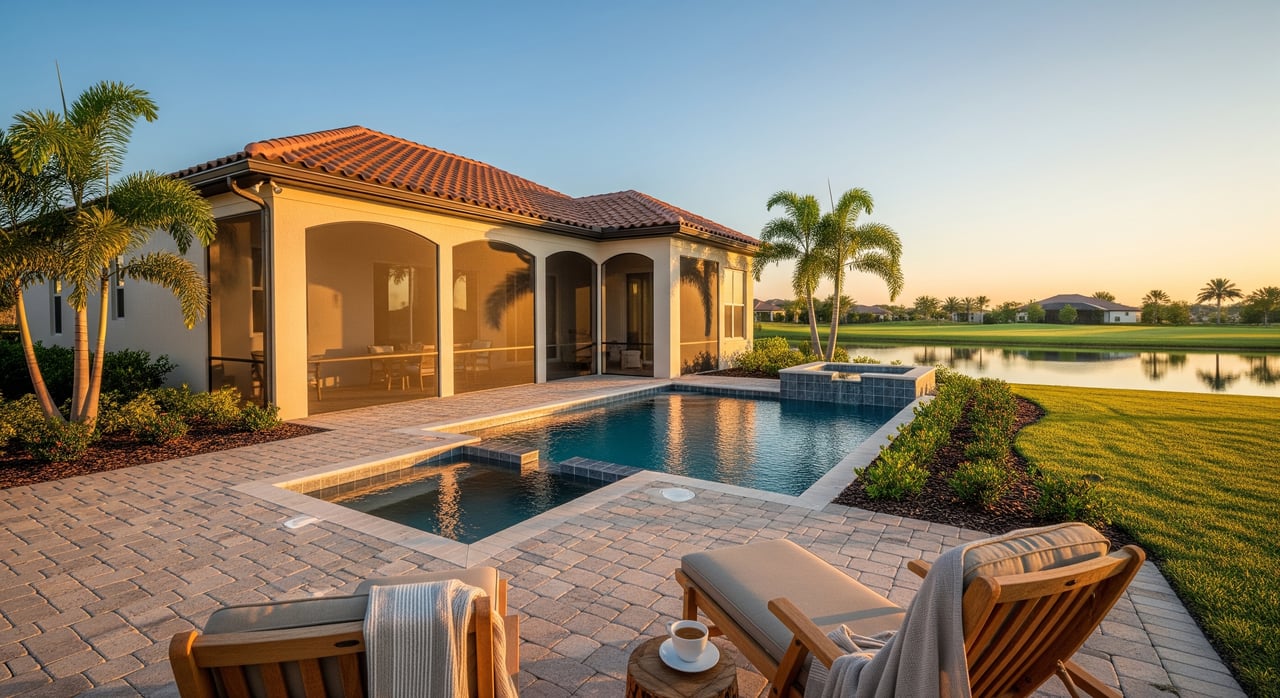
Housing options range from low-maintenance villas to single-family homes, usually single level and designed for easy living. Many include golf cart storage. Fees vary by neighborhood and can cover recreation centers, common areas, landscaping, or local services. Deed restrictions may regulate exterior standards, home modifications, and where you park your cart. Always confirm rules for the exact property and submit renovation plans to the appropriate architectural review if needed.
For property tax research, look up specific addresses with the Sumter County Property Appraiser. Florida does not have a state income tax, which many retirees view as a financial benefit, but you should budget for property insurance, hurricane coverage, and flood insurance where applicable. For broader tax guidance, consult the Florida Department of Revenue. If you are relocating from another state, you will likely update your driver’s license and vehicle registration through the Florida Department of Highway Safety and Motor Vehicles.
Healthcare and safety basics
You will find primary care and many specialists in or near The Villages, with hospitals and urgent care centers within a reasonable drive. When continuity of care matters, ask where your specialist admits for hospital stays. Local emergency services and law enforcement serve the area, and residents describe a strong sense of security. Still, plan for routine safety like storm readiness and cart etiquette.
Most residents are Medicare eligible. Compare options and networks with the Medicare Plan Finder, and confirm that your preferred providers are in-network. If you anticipate future care needs, research long-term care and assisted living availability early.
Climate and seasons
Central Florida’s subtropical climate means warm winters and hot, humid summers with regular afternoon thunderstorms. You can be outside year-round, but in summer you will likely prefer morning or evening activities. Hurricane season runs June through November, so plan for storm supplies and evacuation procedures. Review seasonal tips from the National Weather Service hurricane guidance.
Flood risk varies by parcel. Before you buy, check the FEMA Flood Map Service Center and confirm whether your lender will require flood insurance. For hurricane planning and local alerts, follow Sumter County emergency management updates during storm season.
A week in the life
Here are two sample rhythms based on what many residents enjoy. Your own routine will evolve as you discover favorite activities and social circles.
Active and social
- Early golf or pickleball, then coffee with friends at a clubhouse or café.
- Midday errands by golf cart, plus a quick lunch near a town square.
- Afternoon club meeting, class at a recreation center, or a volunteer shift.
- Dinner out, then evening live music before a cart ride home.
Quiet and home-focused
- Morning walk or pool swim, and light yard or garden care.
- Midday home projects and a low-impact class like water aerobics or yoga.
- Afternoon appointments, book club, or video calls with family.
- A relaxed night in, or one evening a week at a town-square event.
Daily essentials checklist
- Golf cart readiness: charger access, simple maintenance, head and tail lights for night use, and sun protection.
- Healthcare setup: establish a local primary care provider, transfer prescriptions, and list preferred hospitals and urgent care options.
- Safety plan: storm kit, emergency contacts, and cart-safe routes for evening travel.
- Social onboarding: attend an orientation or club open house, and consider a volunteer shift to meet people quickly.
What to verify before you move
- Deed restrictions and HOA or amenity fees for the exact neighborhood and home.
- Cart rules, road permissions, and night-use requirements through county and state sources.
- Property taxes, homestead eligibility, and assessments via the Sumter County Property Appraiser and the Florida Department of Revenue.
- Flood zone status on the FEMA Flood Map Service Center and the cost of flood or wind insurance if required.
- Healthcare access, including whether your preferred specialists and hospitals are in-network on the Medicare Plan Finder.
- Visit at different times of day and days of the week to gauge cart traffic, evening entertainment, and neighborhood quiet hours.
Your next step
Seeing The Villages in person helps you match lifestyle to location, amenities, and budget. If you would like a guided tour of neighborhoods, help comparing fees and deed restrictions, or a clean plan for a long-distance move, connect with a local specialist. Schedule a free consultation with Cindy Schutte for one-on-one guidance tailored to how you want to live.
FAQs
Do I need a car if I plan to use a golf cart in The Villages?
- A cart covers many daily errands, but most residents keep a car for airport trips, big-box shopping, and medical specialists outside the community.
How do the 55+ age restrictions work in The Villages?
- Most neighborhoods require at least one resident to be 55 or older, and rules for younger household members or long stays by relatives vary by deed and HOA, so review the specific community documents before you buy.
What should I know about safety and emergency services in Sumter County?
- Residents report a strong sense of safety with local law enforcement and EMS, and you should still maintain a storm plan, use cart-safe routes at night, and follow neighborhood guidelines.
How lively are the town squares at night in The Villages?
- Evening entertainment is common with live music and community events, especially on weekends, so visit at night to see if proximity to a square fits your lifestyle.
What are the most common “surprise” costs for newcomers to The Villages?
- Plan for HOA or amenity fees, homeowners insurance including wind coverage, possible flood insurance, property taxes, and cart maintenance, and confirm all recurring costs for the exact home.
Where can I verify flood risk and storm season details for a home near The Villages?
- Check parcel-specific flood zones on the FEMA Flood Map Service Center and review seasonal readiness with the National Weather Service hurricane guidance.