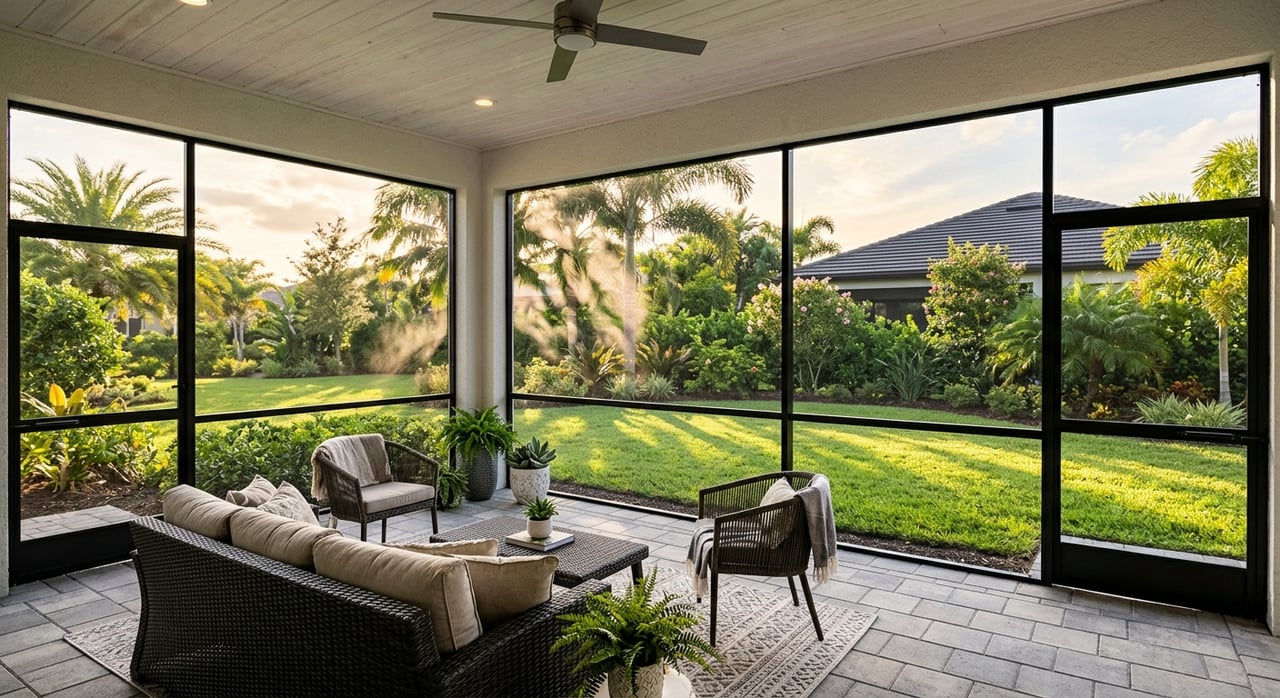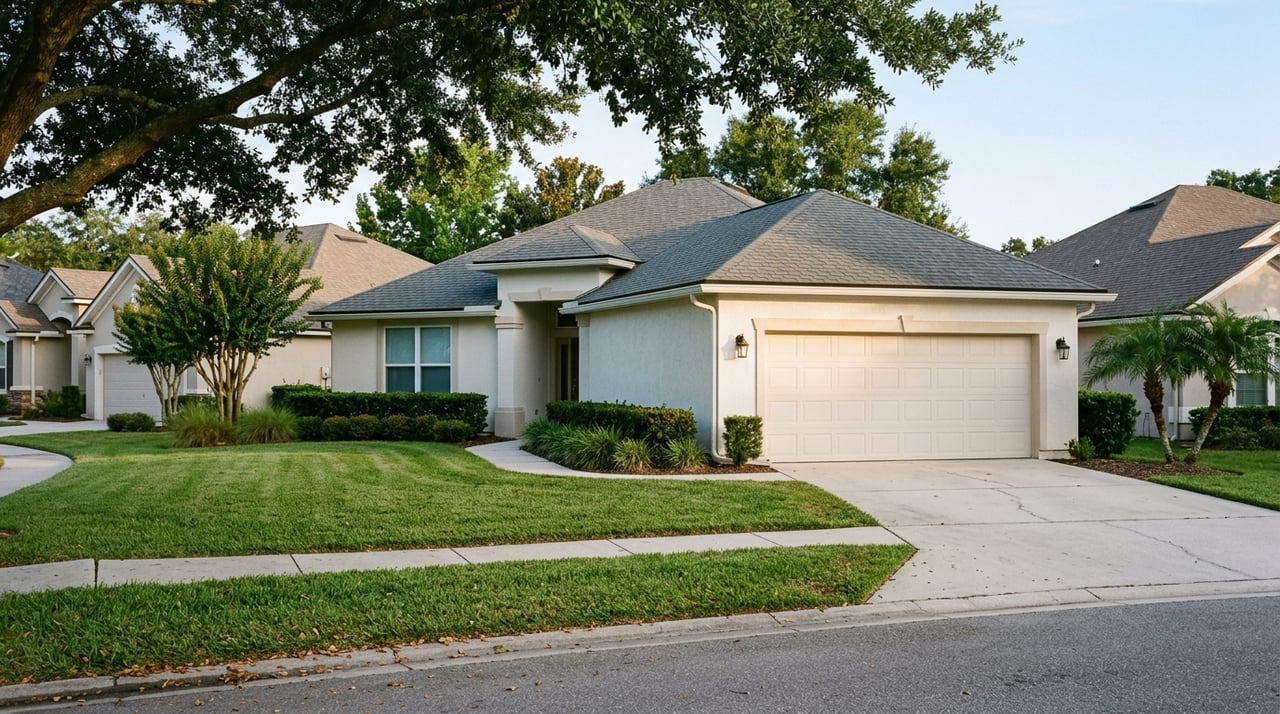
Thinking about selling your Leesburg home so you can enjoy a low‑maintenance 55+ lifestyle? You are not alone. Many locals make this move to be closer to amenities, clubs, and a lock‑and‑leave routine. In this guide, you will learn how to price and prepare your home, how to time your sale and purchase, what Florida rules can affect your taxes and disclosures, and how to avoid common pitfalls. Let’s dive in.
Leesburg market snapshot
Setting the right price is key in today’s Leesburg market. Recent summaries show a median listing price around $315,000 with longer market times than the 2021 peak, so realistic pricing and strong presentation matter. You can review the current overview on Realtor.com’s Leesburg page for directionally useful data on prices and days on market. For final pricing, your agent should prepare a CMA from local MLS comps rather than rely on broad averages. Local market overview on Realtor.com
What this means for you:
- Set realistic expectations. Longer days on market are common, so the right price and clean presentation help you protect your timeline and bottom line.
- Lean on local comps. Your subdivision’s recent sales are the best guide to a winning list price.
Pick your 55+ fit near Leesburg
Leesburg sits near several popular 55+ communities, each with its own lifestyle and fee structure.
- The Villages: One of the largest active‑adult communities in the country, with town squares, recreation, and clubs. It is typically a short drive from many Leesburg neighborhoods. Learn about lifestyle and amenities on the community’s official site. Explore The Villages
- Stonecrest: An active‑adult alternative north of The Villages, known for community amenities and a quieter environment.
- Pennbrooke Fairways: A gated 55+ option right in Leesburg with clubhouses and golf.
Every community works a bit differently. Many use HOA fees, amenity fees, and sometimes Community Development District (CDD) assessments. In The Villages, for example, buyers should understand amenity fees and any CDD bond obligations that may appear on the tax bill. Verify fees early with the community office and your title company so you can plan monthly costs and negotiations. Understanding bonds, CDDs, and amenity fees
Price, prep, and stage to attract 55+ buyers
Your goal is to make your home easy to love and easy to live in.
Smart pre‑listing fixes
- Declutter and deep clean, then refresh paint in light, neutral tones for a brighter feel.
- Address simple maintenance items so the inspection is smooth.
- Consider a pre‑listing inspection to surface surprises before buyers do.
Staging that pays off
Well‑staged homes often sell faster and for more. The National Association of REALTORS reports that staging can shorten time on market and, in many cases, increase offers. Focus on the living room, primary bedroom, and kitchen for the largest impact. NAR report on staging benefits
Age‑friendly touches buyers notice
You do not have to remodel to appeal to 55+ buyers. Small tweaks go a long way:
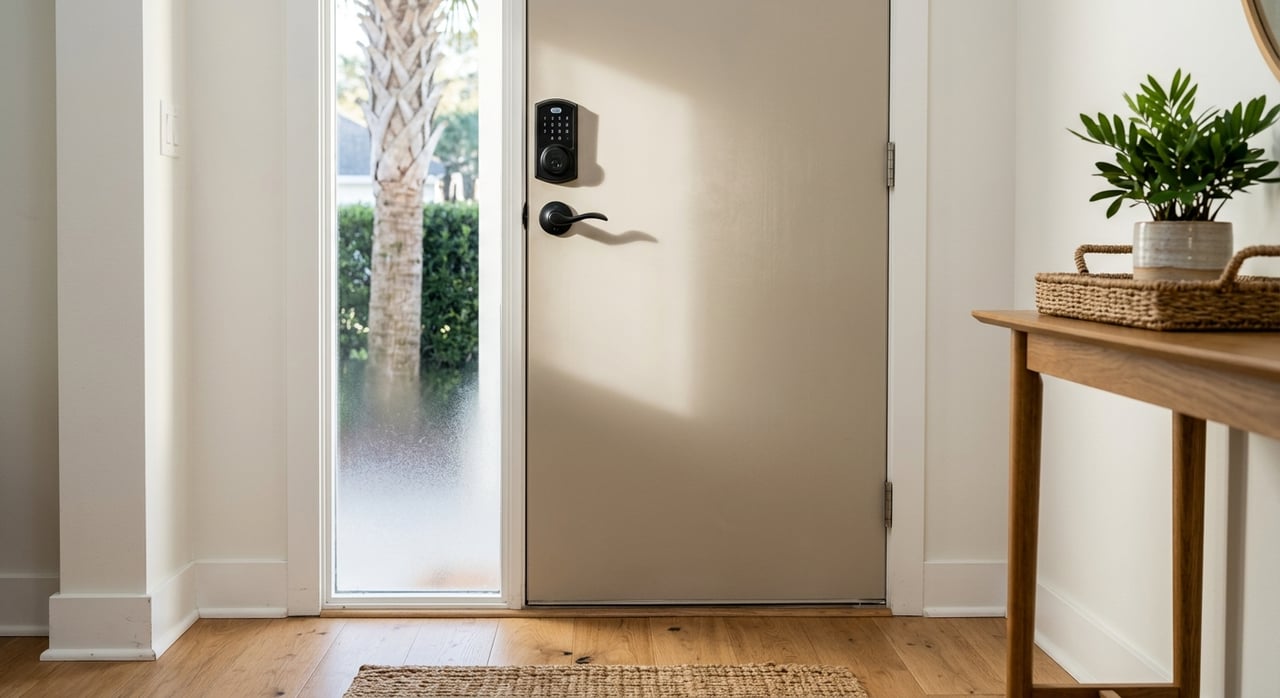
- Swap in lever‑style door handles and add brighter, glare‑free LED bulbs.
- Use non‑slip mats, install a couple of attractive grab bars where appropriate, and highlight any walk‑in shower.
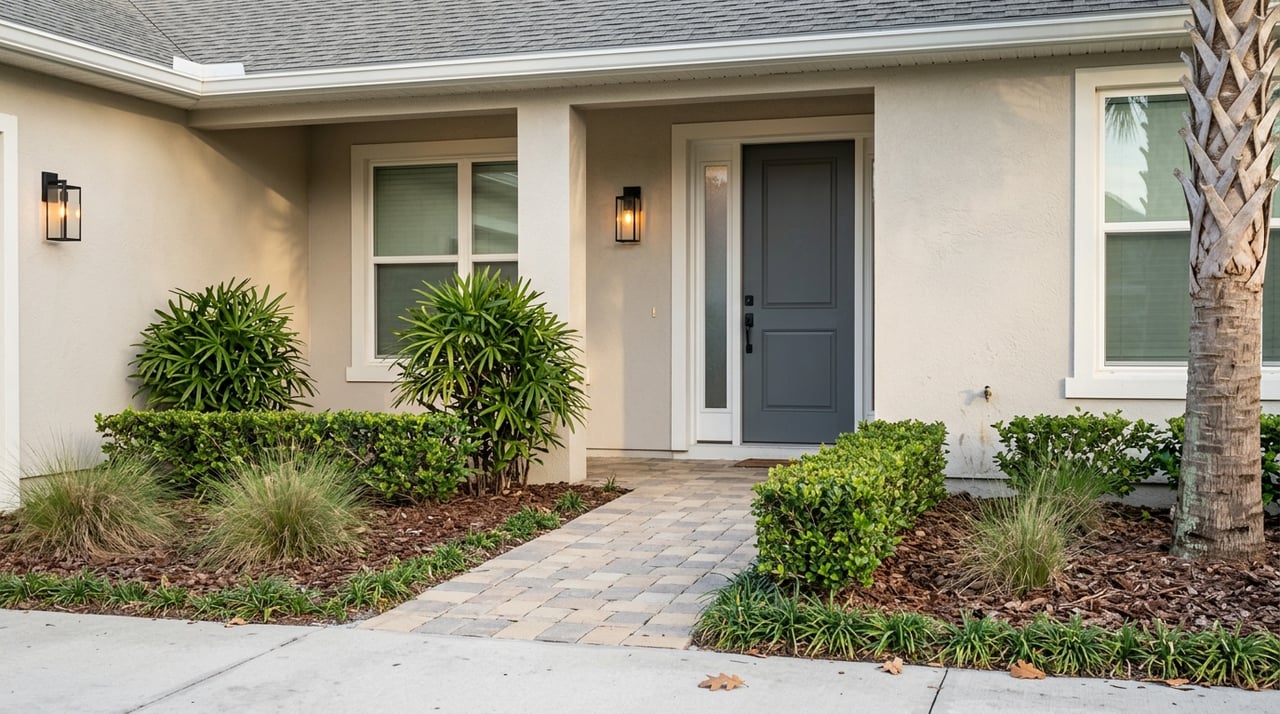
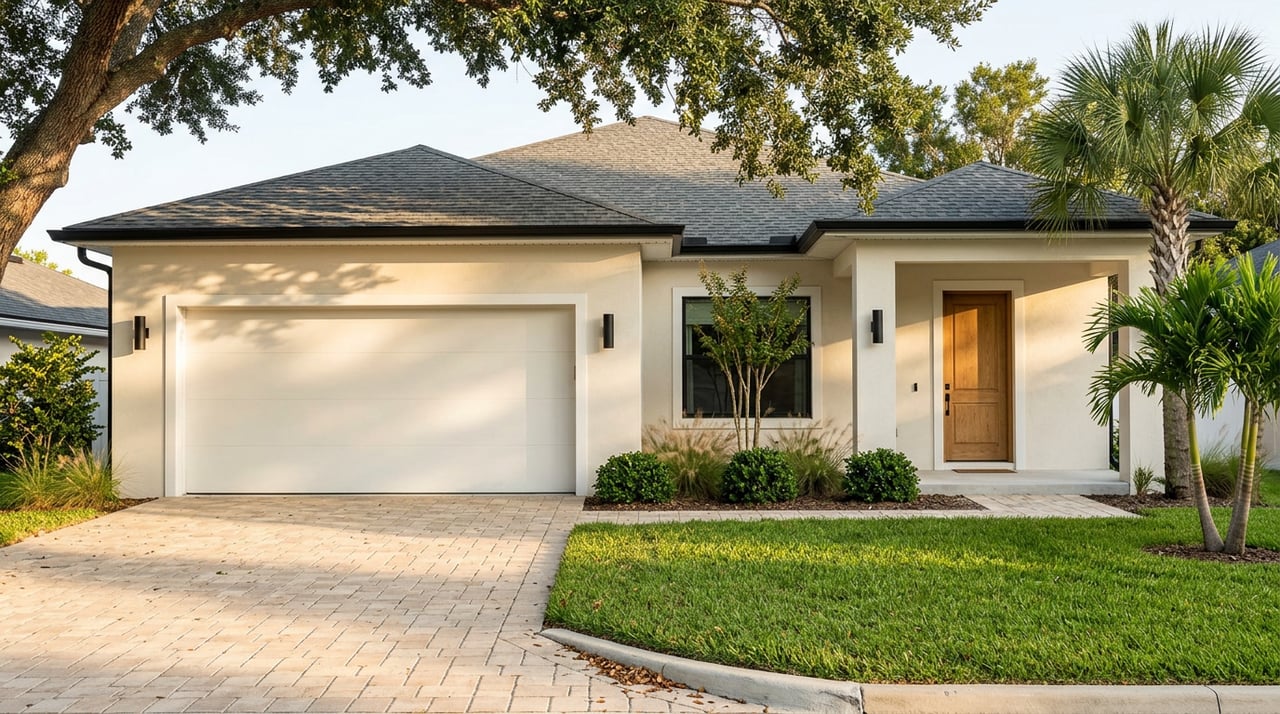
- Emphasize single‑level living, low‑maintenance landscaping, and energy‑efficient features.
For more ideas, AARP’s HomeFit guide has practical, low‑cost updates room by room. AARP HomeFit guide
Timeline and financing options for a smooth move
Coordinating the sale of your current home with the purchase in a 55+ community takes planning. Here are common paths to consider with your agent and lender:
- Home‑sale contingency: You make an offer on your next home that is contingent on selling your current one. It can reduce risk but may be less competitive.
- Bridge financing or a HELOC: Short‑term financing lets you buy first, then pay it off when your current home sells. Costs are higher, so get clear on the math and timing.
- Post‑closing rent‑back: Sell your home, then rent it from the buyer for 30 to 60 days while you close on your next place. This can create a stress‑reduced buffer.
- Trade‑in or guaranteed‑sale services: Some programs deliver timing certainty in exchange for higher fees. Consider only if timing is your top priority.
Key Florida rules to know
Understanding a few Florida rules will help you plan with confidence.
HOPA and how 55+ communities work
The federal Housing for Older Persons Act allows bona fide 55+ communities to operate with age‑restricted occupancy if they meet specific criteria, including that at least 80 percent of occupied units have a resident age 55 or older, and that the community verifies ages and follows published policies. When you market your current home, avoid language that conflicts with a community’s policies. Focus on neutral features like accessibility and proximity to amenities. HOPA implementation guidance
Save Our Homes portability
If you will claim a new Florida homestead after you move, you may be able to transfer part of your Save Our Homes assessment difference to the new property. To do that, you file the Transfer of Homestead Assessment Difference form (DR‑501T) along with your new homestead application (DR‑501). There are firm deadlines, typically by March 1 of the tax year. Confirm details with the county property appraiser where your new home is located. Florida property tax forms and guidance
For Lake County specifics and local filing steps, review the property appraiser’s exemptions and portability page. Lake County Property Appraiser guidance
Seller disclosure duties in Florida
Florida requires sellers to disclose known facts that materially affect the value of the property and are not readily observable to buyers. Complete the standard seller disclosure and document any repairs or inspections you have done. This protects you and supports a smoother closing. Johnson v. Davis overview
Community fees, bonds, and transfer costs
Many active‑adult communities use amenity fees, HOAs, and sometimes CDD assessments that show up on the tax bill. If you buy into a community with an outstanding CDD bond, the amount and payoff options can influence your monthly costs and negotiations. Ask your agent and title company to request fee schedules and any bond payoff figures early so you can make informed decisions. CDD and amenity fee overview
Your 90‑day roadmap
Use this timeline to keep your move organized. Adjust as needed based on your goals and market conditions.
- 90–120 days out: Meet with an agent who knows local 55+ communities. Request a CMA and discuss a pre‑listing inspection. If you plan to claim portability, review the DR‑501 and DR‑501T timing with the county appraiser for your next home. Florida property tax forms
- 60–45 days out: Complete repairs, declutter, and schedule professional photos. Start touring target communities and get on any waitlists or preview programs.
- 30 days out: Finalize pricing, staging, and listing copy that highlights single‑level living, accessible features, and low‑maintenance benefits.
- Offer period: Choose your coordination strategy with your agent and lender. Confirm amenity fees, HOA dues, and any CDD bond details with the community office and title company.
- Closing week: Verify wire instructions and all payoff amounts. If you plan to rent back, make sure insurance and occupancy terms are clear in writing. Double‑check homestead and portability deadlines.
What to expect at closing
On the sale side, you will sign the deed, pay off your existing mortgage, and settle prorated taxes and closing costs. If you are buying in a community with CDD assessments or amenity fees, the title company will outline how those transfer and what your first payments look like. If you plan to claim a new homestead and portability, keep your calendar marked for the homestead application and DR‑501T filing window to capture the benefits as soon as you qualify. State forms and guidance
Ready to map out your sale and your move into the right 55+ community? Schedule a free consultation with Cindy Schutte to get a pricing plan, staging guidance, and a step‑by‑step timeline tailored to your goals.
FAQs
Do I need to remodel to appeal to 55+ buyers?
- Not usually. Highlight single‑level living, low‑maintenance features, and simple safety upgrades. Low‑cost AARP HomeFit suggestions like grab bars and better lighting can help.
How do 55+ occupancy rules work when I buy?
- Under HOPA, 55+ communities follow age‑verification and policy rules, including having at least one resident 55 or older in most homes. Ask the community office for current policies.
Can I transfer my Save Our Homes benefit when I move?
- Possibly. If you buy another Florida homestead, you may transfer part of your assessment difference by filing DR‑501 and DR‑501T by the county deadline, typically March 1.
What disclosures do I owe as a Florida seller?
- You must disclose known, material facts that affect value and are not readily observable. Use the standard disclosure form and document repairs and inspections.