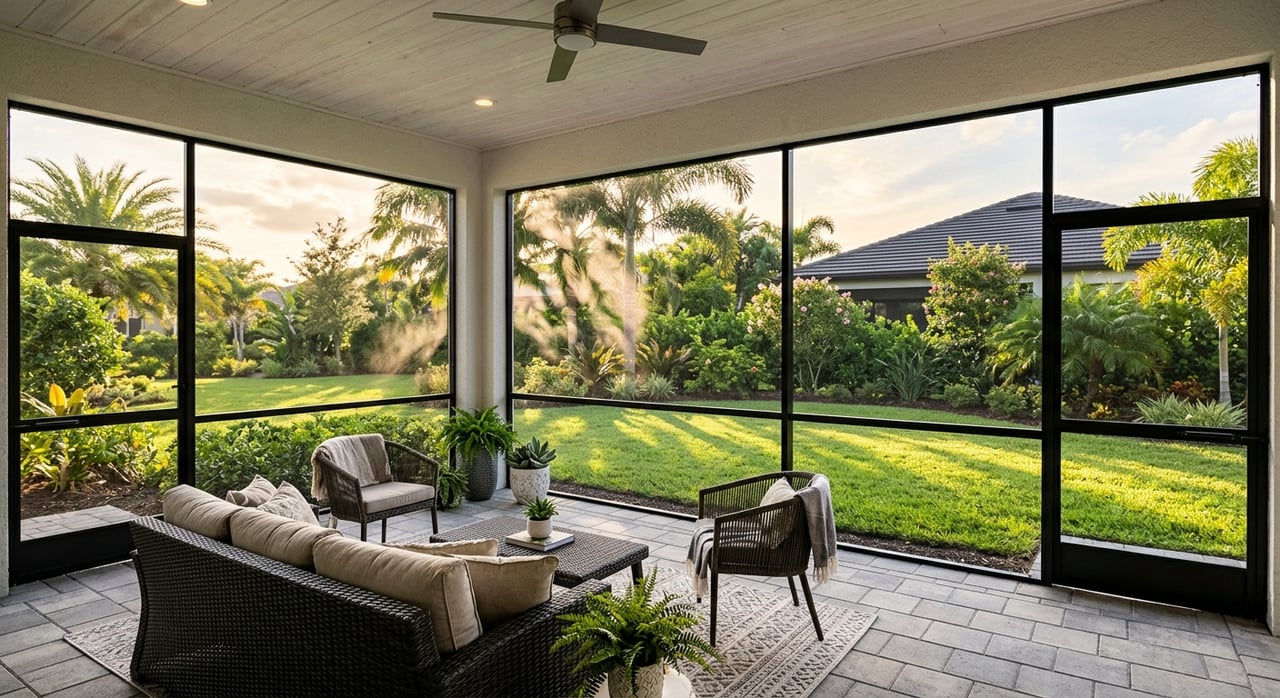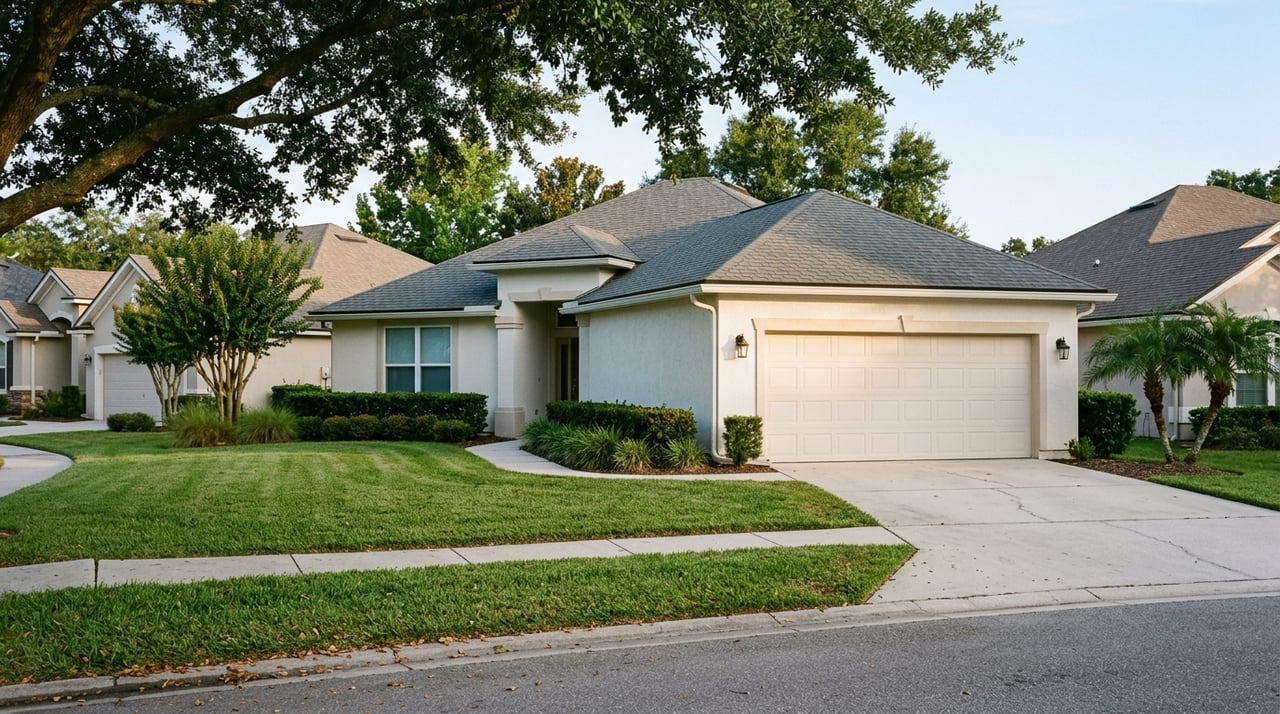
Thinking about trading snow shovels for sunshine each winter? Leesburg can make that idea feel a lot more practical. If you want a seasonal home in a 55+ community with warm weather, social amenities, and easier day-to-day living, this guide will help you understand what to expect and what to plan for before you buy. Let’s dive in.
Why Leesburg Works for Snowbirds
Leesburg has a lot going for seasonal residents. The city sits between Lake Harris and Lake Griffin and describes itself as the Lakefront City, which gives it a relaxed Central Florida setting with water nearby and easy access to major roads.
City documents place Leesburg on key corridors including SR 44, US 27, US 441, and Florida’s Turnpike, with I-75 close by. It is also about 40 miles northwest of Orlando and 80 miles northeast of Tampa. For snowbirds, that can make the drive in and out of town more manageable while still keeping you connected to bigger regional services.
Mild winters are a major draw
The weather is one of the biggest reasons seasonal buyers look at Leesburg. NOAA climate normals for Leesburg show an average annual maximum temperature of 82.4°F, an average annual minimum of 63.1°F, and a yearly mean of 72.8°F.
Leesburg also averages 0.0 inches of snowfall each year. If you are leaving a colder state for the winter, that alone can make daily life feel easier and more enjoyable.
But seasonal planning still matters
Mild does not mean risk-free. NOAA data shows roughly 2.3 days per year with lows at or below freezing, so even a winter home in Florida needs a simple cold-weather plan.
It is smart to think about AC checks, leak monitoring, and who can respond if temperatures dip while you are away. Average relative humidity is 72%, which is another reason moisture control matters even outside peak summer.
What 55+ Living Usually Means
If you are new to active-adult living, it helps to know what a 55+ community is and what it is not. In general, these communities are designed around age-qualified residency and lifestyle amenities, not care-based services.
HUD says a community can qualify for the 55+ housing exemption if at least 80% of occupied units have at least one resident age 55 or older, the community shows intent to serve older persons, and occupancy is verified through surveys and affidavits. In everyday terms, that usually means rules, amenities, and social programming are built for active adults.
Expect lifestyle amenities, not one-size-fits-all perks
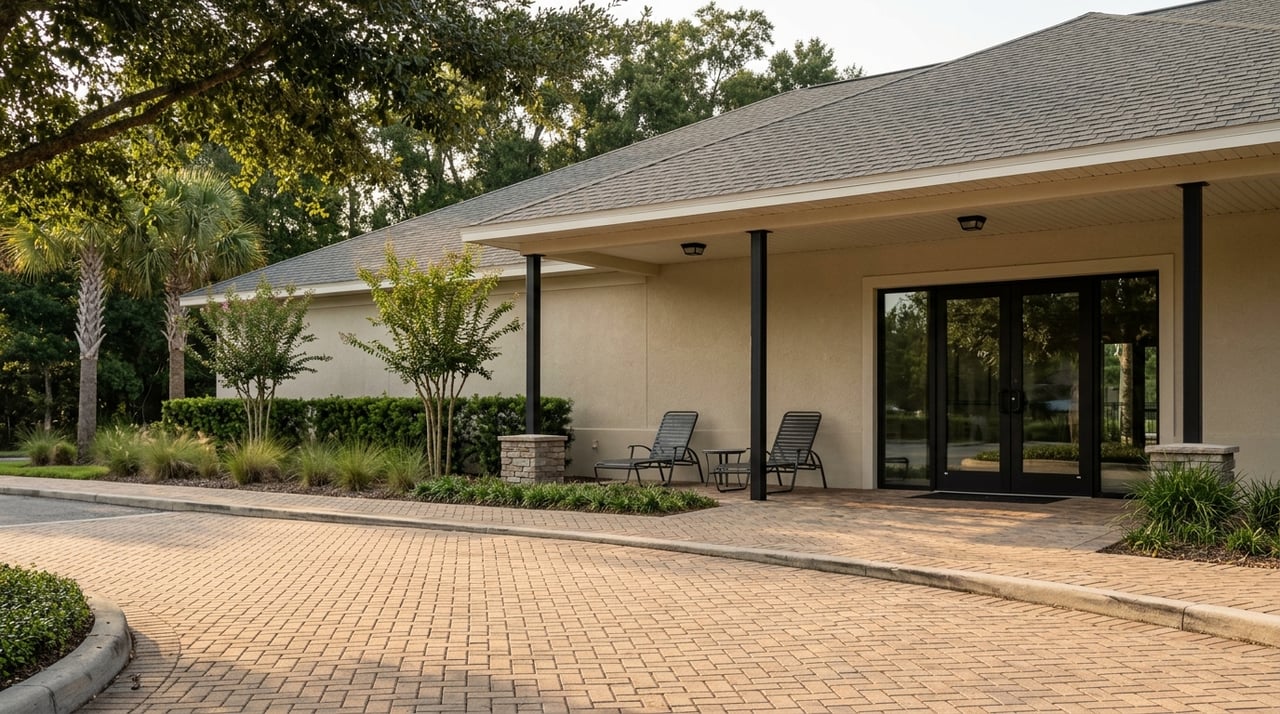
Many Leesburg 55+ communities offer amenity packages that support seasonal living. Common features include pools, clubhouses, fitness spaces, sports courts, hobby rooms, and organized clubs.
Still, not every community is structured the same way. Fees, included services, and access rules can vary more than buyers expect.
Amenities You May See in Leesburg Communities
The amenity pattern in Leesburg is clear. Many active-adult communities are set up to make it easy for you to stay busy, social, and comfortable during the months you are in town.
For example, The Plantation at Leesburg says it has three activity halls, a pavilion, three pools, an archery field, a softball field, bocce courts, fitness centers, and over 100 clubs. It also states that most amenities are included in HOA dues except golf, and that RV storage is available for an additional charge.
Legacy of Leesburg lists a heated resort pool, spa, fitness center, tennis and pickleball courts, bocce, horseshoes, softball, a library and computer room, arts and crafts, a nature park, and on-site RV storage. According to the community, these facilities are included at no additional charge in monthly association fees.
Pennbrooke Fairways highlights a fitness center, activity center, Grand Hall, library, card and craft rooms, billiards, hair salon, pools and spas, golf, tennis and pickleball, bocce, and RV or boat storage. It also notes resident emergency-preparedness resources, which may matter if you are away part of the year.
Lakes at Leesburg lists a 9-hole golf course, fishing lakes, heated pool, library, bocce, shuffleboard, whirlpool spa, and community center. For many snowbirds, that blend of recreation and convenience is exactly the point of buying in a 55+ neighborhood.
Read the fine print on fees
Amenities may feel similar at a glance, but the fee structure may not be. Golf, storage, lawn care, and village-specific extras can be separate even when clubhouse access is included.
That is why it helps to compare more than the monthly HOA number. You want to know what that payment actually covers and what you may still need to budget for on top of it.
HOA Rules Matter More Than You Think
For seasonal buyers, HOA rules are not just background details. They can shape how easy your home is to lock up, leave, share with family, or rent out when you are not using it.
In Florida, Chapter 720 governs homeowners’ associations, including association powers, official records, budgets, assessments, and lien claims. That means you should treat HOA documents as a major part of your buying decision, not a quick box to check later.
Focus on these questions first
Before you buy, ask practical questions like these:
- What do the monthly dues cover?
- Are lawn care or exterior services included?
- Are there guest restrictions?
- Are short-term rentals allowed?
- Are vacation rentals prohibited?
- Is RV or boat storage available, and is there an extra fee?
- What storm or emergency resources does the community provide?
For example, The Plantation at Leesburg states that short-term rentals are allowed while vacation rentals are not. That kind of detail can matter a lot if you plan to share the home with visiting family or offset costs in certain seasons.
Planning for a Part-Time Home
Seasonal living works best when you think beyond the purchase itself. A well-chosen home still needs a clear plan for the months when you are not there.
For absentee owners, the biggest issues are usually simple ones. Who checks the home, handles mail, watches for leaks, manages landscaping, or helps with storm prep if you are up north?
Lock-and-leave living takes coordination
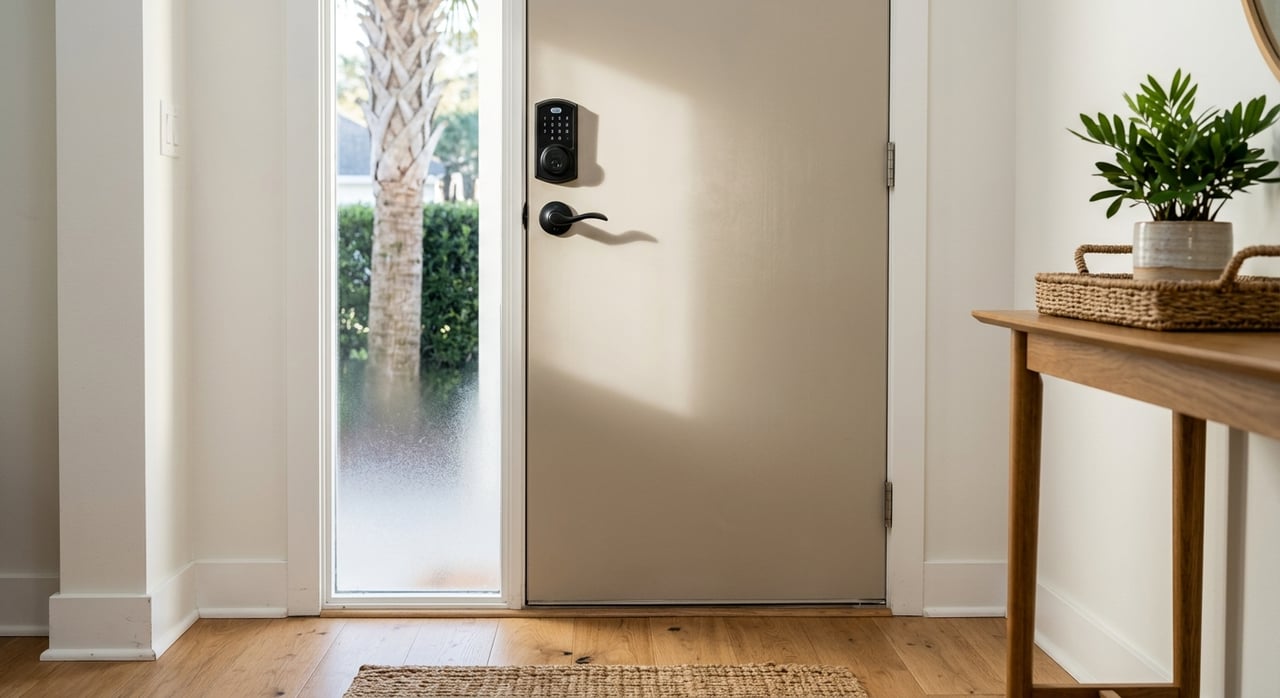
Some Leesburg communities offer features that may help, such as gate access, newsletters, resident directories, emergency-preparedness materials, or maintenance-oriented services. Others may place more responsibility on you as the owner.
That is why the phrase lock-and-leave should always be tested against the actual rules and services in the community. It is not enough to assume every 55+ neighborhood handles absentee ownership the same way.
Weather Timing Can Shape Your Schedule
Your arrival and departure calendar may affect more than travel plans. In Central Florida, weather patterns can influence lawn care, storm prep, and how you leave the home when the season ends.
According to the National Weather Service for East Central Florida, the wet season typically begins in late May and the dry season begins around mid-October. Atlantic hurricane season runs from June 1 through November 30.
What that means for snowbirds
If you usually head north in spring, it helps to leave with summer conditions in mind. That may include confirming exterior maintenance, checking drainage around the property, arranging routine inspections, and knowing who can respond if a storm threatens.
If you return in fall or early winter, the shift into drier weather may make that season more comfortable for settling back in. Either way, your seasonal routine should match Florida’s climate, not just your old travel habits.
Homestead Status Deserves a Closer Look
If you plan to keep a northern home and buy in Leesburg for part-time use, do not assume Florida homestead benefits will apply. Florida Revenue states that the homestead exemption applies only when the property is your permanent residence.
The exemption is no longer available if the property is rented, is no longer your permanent home, or you are no longer a permanent Florida resident. Eligibility is determined by the county property appraiser.
Why this matters to seasonal buyers
This is an important point for snowbirds with two residences. Your tax planning, residency decisions, and long-term ownership goals should all line up before you make an offer.
A seasonal home can still be a great fit, but you want to understand the ownership structure clearly from the start. That helps you avoid surprises later.
How to Choose the Right Leesburg Community
The best community for you depends on how you actually plan to live. Some buyers want a packed social calendar and dozens of clubs, while others care more about easy upkeep, storage options, or a simpler monthly budget.
A smart search usually starts with your day-to-day priorities, not just the listing photos. When you narrow your choices that way, it becomes easier to spot the communities that fit your routine.
Use this seasonal buyer checklist
As you compare Leesburg 55+ communities, keep this checklist in mind:
- Travel access to and from your primary home
- HOA fees and what they include
- Clubhouse and recreation options you will really use
- Golf or storage costs that may be extra
- Guest, rental, and occupancy rules
- Help available when the home is vacant
- Storm readiness and emergency communication
- Whether the home feels easy to maintain from afar
For many snowbirds, Leesburg offers a strong mix of mild winters, active-adult amenities, and practical access routes. The key is finding the community that supports your version of seasonal living, not just the one with the longest list of features.
If you are weighing your options in Leesburg or nearby active-adult communities, working with a local team can make the process much smoother. Cindy Schutte offers hands-on guidance for relocation buyers who want clear answers, local insight, and a confident plan from search to closing.
FAQs
What makes Leesburg appealing for seasonal living in a 55+ community?
- Leesburg offers mild winters, no average annual snowfall, a lake-oriented setting, and access to major roads including SR 44, US 27, US 441, Florida’s Turnpike, and nearby I-75.
What should buyers know about HOA fees in Leesburg 55+ communities?
- HOA fees can cover different things depending on the community, and extras like golf, RV storage, lawn care, or village-specific amenities may cost more.
What should snowbirds ask about rentals in Leesburg 55+ communities?
- You should ask whether short-term rentals are allowed, whether vacation rentals are prohibited, and what guest or occupancy rules apply before you buy.
What weather planning is important for a seasonal home in Leesburg?
- You should plan for humidity, possible brief winter freezes, the wet season that typically starts in late May, and hurricane season from June 1 through November 30.
What should part-time owners know about Florida homestead exemption?
- Florida homestead exemption applies only if the property is your permanent residence, and eligibility is determined by the county property appraiser.
What features can help with lock-and-leave living in Leesburg?
- Useful features may include gate access, maintenance-oriented services, resident communication tools, and emergency-preparedness resources, but the level of support varies by community.