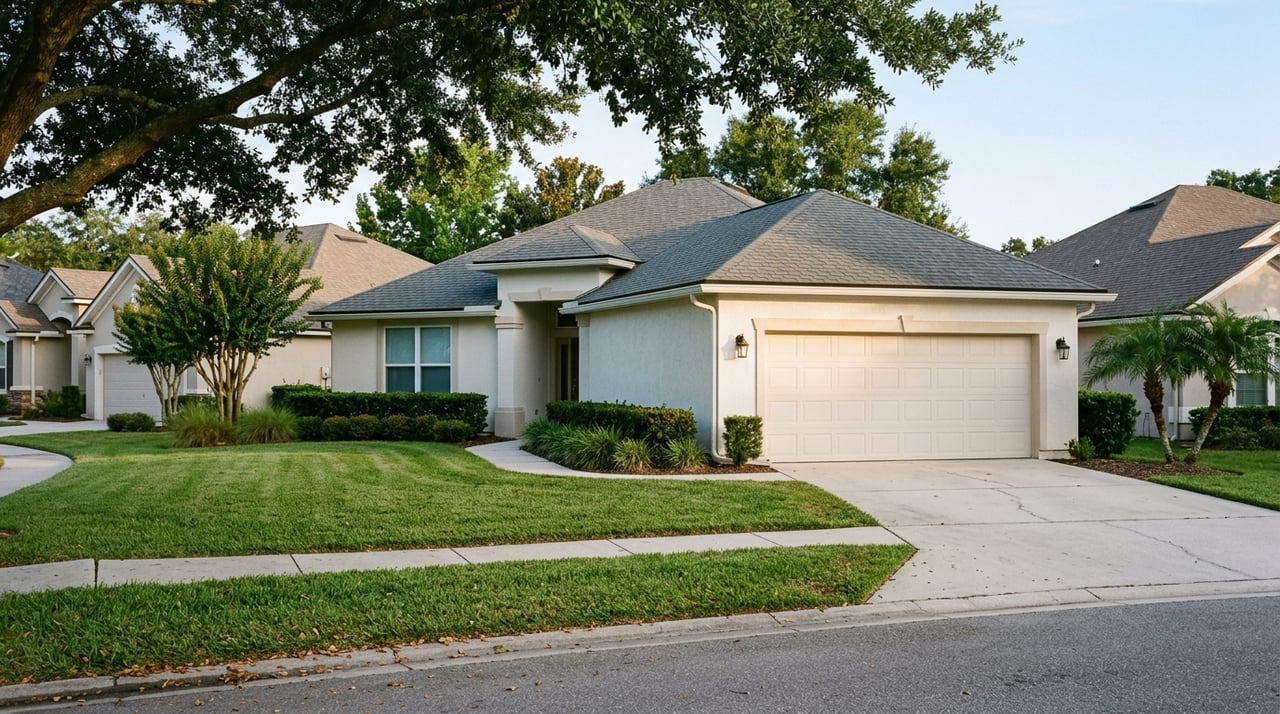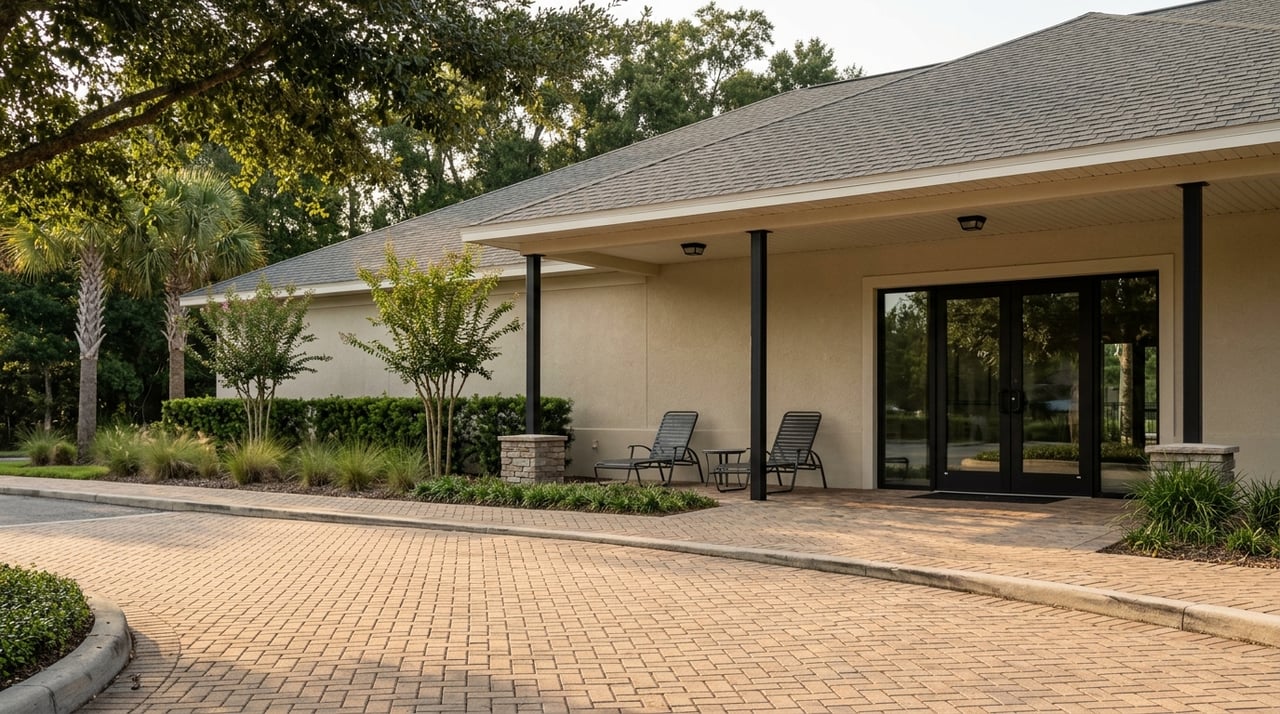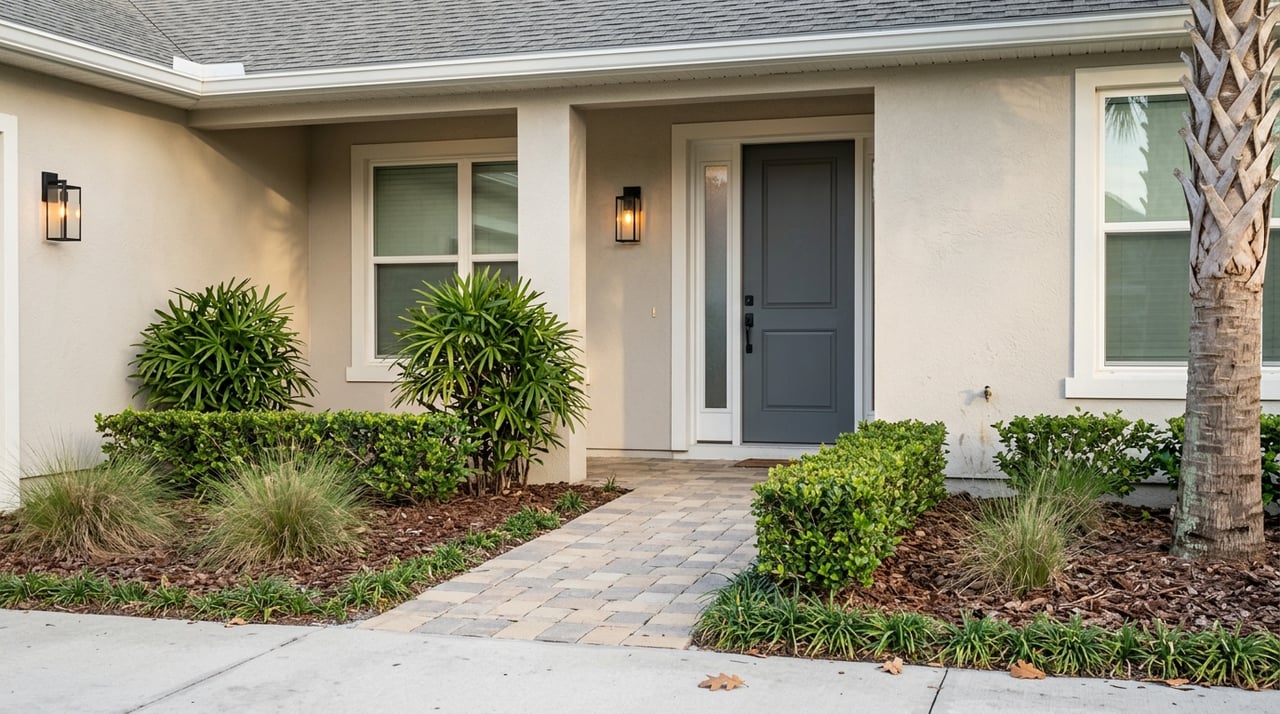
Thinking about trading square footage for simplicity in Leesburg? You’re not alone. Many 55+ homeowners and relocators choose Lake County for its low‑maintenance living, active social options, and convenient services. In this guide, you’ll map out what to keep, what to budget, and how to plan your timeline so your next move feels confident and calm. Let’s dive in.
Why Leesburg fits 55+ downsizers
Leesburg offers a range of age‑restricted and active‑adult communities with amenities that support an easy, social lifestyle. You’ll find options that reduce exterior upkeep and include features that support aging comfortably in place. Proximity to medical providers, grocery and pharmacy access, and local senior services are common priorities here. Flood zone awareness and insurance needs can vary by neighborhood, so factor that into your evaluation.
Step 1: Clarify your goals
Home needs and mobility
Decide if a single‑level layout or elevator access is essential. Look for step‑free entries, wider doorways, and bathrooms that can be modified for grab bars or a curbless shower. If you use mobility aids, confirm hall width and turning space in kitchens and bathrooms.
Financial picture
Estimate net proceeds from selling your current home and compare that to the cost of your next place. Include down payment, closing costs, HOA or condo fees, property taxes, and insurance. If you plan to stay in Florida, ask the Lake County Property Appraiser about homestead exemption rules and whether portability may apply to you.
Lifestyle and location
List your top conveniences. Many 55+ residents value a clubhouse, fitness, pools, walking paths, and organized clubs. Also note distance to primary care, a hospital, pharmacies, and everyday errands. If travel is important, look for lock‑and‑leave communities with exterior maintenance included.
Timing and emotions
Downsizing is practical and personal. Consider your readiness, the best season to sell, and how long you want to overlap homes. Build in time for sorting belongings and saying goodbye to a home you love.
Step 2: Compare 55+ housing choices
Active‑adult HOA neighborhoods
These age‑restricted communities typically fall under the Housing for Older Persons Act (HOPA) and often include exterior maintenance and community amenities. You own the home and pay HOA or condo fees. Confirm HOPA compliance and age‑verification procedures with the community.
Independent living and CCRCs
Independent living communities may offer meals, activities, and housekeeping. Continuing care retirement communities (CCRCs) add a continuum of care with different contract types. Compare entrance fees, monthly costs, and what care levels are included or available.
Age‑targeted housing
Some homes are marketed to older adults but are not legally age‑restricted. You get many of the same floor plan benefits without HOPA rules. Review HOA documents for pet rules, rental limits, and maintenance responsibilities.
Assisted living and memory care
If you anticipate near‑term care needs, explore assisted living or memory care. While not the typical target for independent downsizers, understanding options can help you plan for future transitions.
Step 3: Must‑have features and amenities
- Health and safety: well‑lit sidewalks, security features, and fast emergency response procedures.
- Social and recreation: clubhouse, fitness center, pools, hobby rooms, and organized activities.
- Practical services: exterior maintenance for roof and yard, on‑site management, and shuttle or scheduled transportation if available.
- Accessibility‑ready: zero‑threshold showers, main‑level bedrooms, lever handles, and reinforced walls for grab bars.
- Pet policies: confirm size, breed, and number limits so they fit your household.
Step 4: Build a realistic budget
High‑level categories to include
- Sale costs: agent commission, closing costs, pre‑listing repairs, and optional staging.
- Purchase costs: down payment, buyer closing costs, inspections, title, and potential mortgage insurance.
- Ongoing monthly costs: HOA or condo fees, property taxes, homeowner’s insurance, and flood insurance if required.
- Transition costs: movers, packing/unpacking, storage, donation or disposal, and senior move manager services.
- Future care and contingency: home modifications, in‑home care, and a reserve for unexpected expenses.
How to estimate with confidence
- Use recent local comps and your agent’s analysis to estimate sale price and time on market.
- Ask HOA management for current fees, reserve study details, and any recent or pending special assessments.
- Get at least two moving quotes; compare full‑service packing versus labor‑only options.
- Check assessed values and property tax amounts with the Lake County Property Appraiser and confirm homestead exemption filing timelines.
A simple worksheet structure
- Projected sale price of current home
- Less: commission, closing costs, repairs, and staging
- Equals: estimated cash at closing
- Less: down payment and buyer closing costs on the new home (or first/last month if renting)
- Less: moving and transition costs
- Less: initial accessibility or safety upgrades
- Balance: 12‑month contingency reserve
Step 5: Plan your timeline
- 9–12 months out: Define rightsizing goals, tour communities, consult your realtor and a financial professional, and schedule a home accessibility assessment. Begin decluttering one room per week.
- 4–6 months out: Interview movers and senior move managers, order packing supplies, and confirm medical provider transfers and prescriptions.
- 1–3 months out: Finalize your purchase or lease, set a moving date, and transfer utilities. Ask the HOA about move‑in rules, elevator reservations, and any fees.
- 2–7 days out: Pack an essentials box, organize meds and key documents, confirm mover arrival times, and notify the post office and important contacts.
- Move‑in week: Unpack kitchen, bedroom, and bathroom first. Install safety items like grab bars and nightlights. Attend the community welcome or orientation.
- 1–6 months in: Adjust storage, complete any additional modifications, join clubs, and build your social network.
Rightsizing checklist
- Space planning: measure key furniture and compare to your new floor plan; confirm doorway widths.
- Functional rooms: set your required bedroom and bathroom count; plan for a workspace or hobby area.
- Accessibility scorecard: single‑level access, entry steps, bathroom needs, and elevator availability.
- Financial readiness: estimate net equity and create a 12‑month cash‑flow projection for the new home.
- Community culture: review activity calendars, enforcement of 55+ rules, noise expectations, and pet policies.
- Resale and liquidity: check rental rules, assessment history, and recent resale activity in the community.
Moving day and safety tips
- Essentials kit: medications, insurance cards, IDs, estate documents, chargers, change of clothes, and basic tools.
- Senior‑friendly movers: seek white‑glove packing and careful placement services to minimize lifting.
- Prevent falls: wear non‑slip shoes and keep pathways clear; stage seating areas for rest breaks.
- Donate or recycle: line up pickups for furniture and household goods ahead of time.
Local factors to double‑check
- HOPA documentation: confirm age‑verification procedures and occupancy rules with the community.
- HOA documents: request budgets, reserve studies, what fees cover, and any pending assessments.
- Insurance and flood zones: confirm location‑specific insurance needs before you go under contract.
- Property taxes: verify assessed value, exemptions, and filing deadlines with the Lake County Property Appraiser.
- Healthcare access: map primary care, urgent care, and hospitals within your preferred driving time.
Your next step
If you want a calm, well‑planned transition into a Leesburg 55+ community, the right partner makes all the difference. Our team blends local market expertise with relocation know‑how, staging guidance, and financing coordination to remove stress from your move. Ready to start your plan? Reach out to Cindy Schutte to schedule a free consultation.
FAQs
What makes Leesburg appealing for 55+ downsizing?
- You get a wide choice of age‑restricted and active‑adult neighborhoods, convenient access to everyday services, and many low‑maintenance housing options.
How do HOPA rules affect 55+ communities?
- HOPA allows age‑restricted housing when a community follows specific occupancy and verification rules, so always confirm the community’s compliance and procedures.
Will downsizing in Leesburg save me money?
- It can, thanks to lower utilities and maintenance, but factor in HOA fees, insurance, taxes, and one‑time moving costs; build a 12‑ to 36‑month cash‑flow plan to compare.
What HOA documents should I review before buying?
- Ask for budgets, reserve studies, history of special assessments, rules that affect your lifestyle, and details on what the fees cover.
How should I budget for the move itself?
- Get multiple mover quotes, include packing/unpacking and storage if needed, and set aside funds for donation, disposal, and any initial safety modifications.
What accessibility features should I prioritize?
- Aim for single‑level living or elevator access, zero‑threshold showers, lever handles, good lighting, and a main‑level bedroom and laundry.